How to Wash Raw Hair Bundles Safely
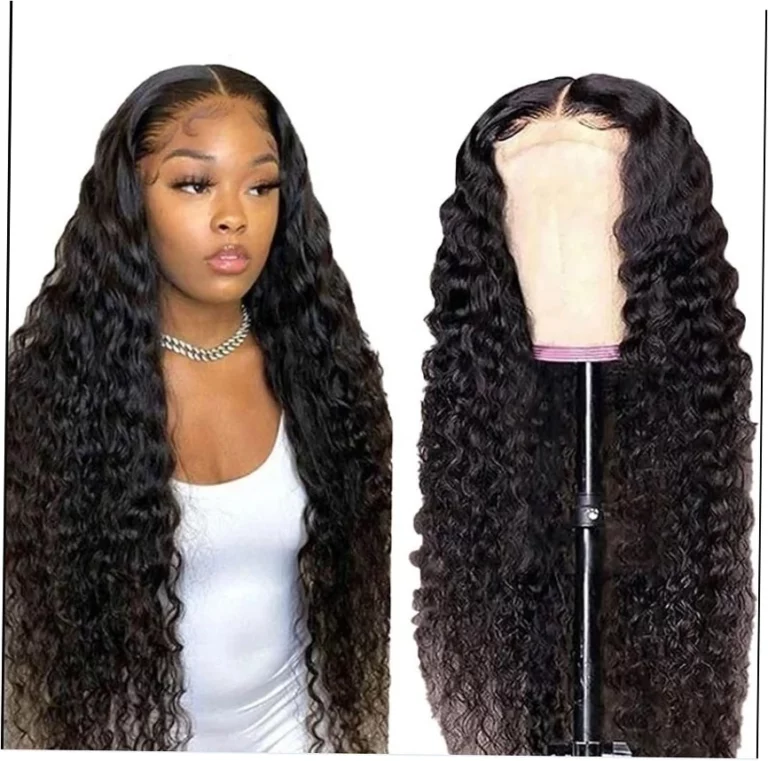
If you want the blunt answer on how to wash raw hair bundles, here it is: treat them like fine, unprocessed hair, not laundry. Wash only when the scalp or lengths need it, use a sulfate-free shampoo, keep conditioner away from the weft, and dry the track completely. I learned that the hard way after one rushed rinse left a sew-in smelling musty. The same discipline applies whether you are caring for long layers or choosing the best short hair extensions for a sharper bob.
Table of Content
Raw hair is usually sold with the promise of intact cuticles and minimal processing, which sounds simple until wash day. In practice, the cuticle is the part that decides whether bundles stay smooth or start tangling. Once water, friction, and strong detergents lift those scales, no expensive label can reverse the damage. That is why gentle handling matters more than a long product list.
What Raw Hair Means for Wash Day
What “Raw” Really Says About the Cuticle
Raw hair is often described as hair that has not been chemically altered, so the cuticle layers remain aligned in one direction. That alignment is why raw bundles can feel coarse at first but smooth down with wear. It also explains why rough shampooing is so costly: you are not just removing dirt, you are lifting the very layer that protects the strand.
The label is not a regulated guarantee. Different sellers use raw, virgin, and unprocessed in overlapping ways, and some bundles sold as raw have been steamed, dyed, or blended. A quick check at the weft, the strand direction, and the smell tells you more than the packaging. For a broader breakdown, the virgin hair bundles guide explains how these labels usually overlap.
How Weft Construction Changes Your Wash Plan
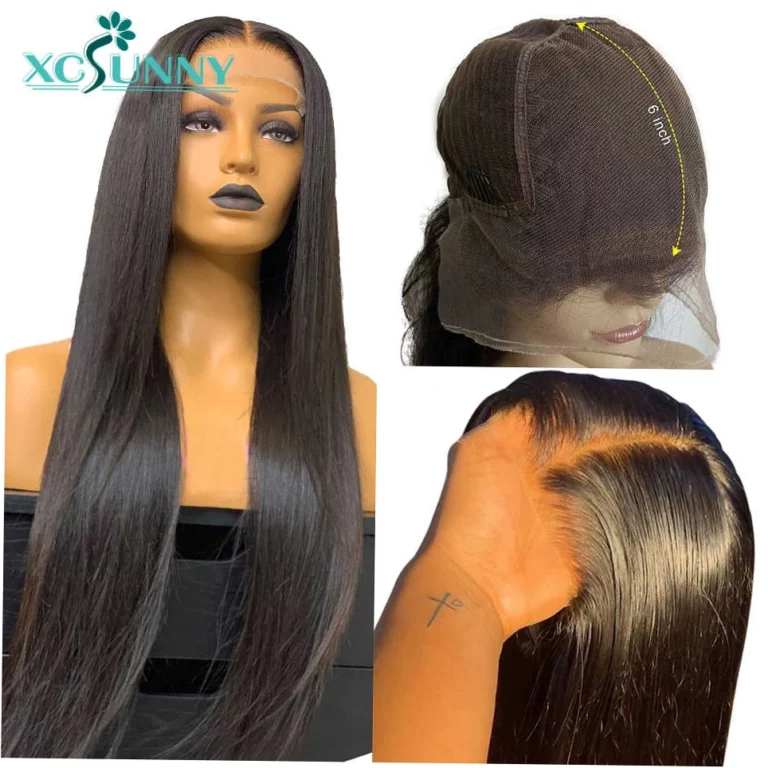
The weft is the weakest point in most installs because water, conditioner, and friction collect there. A hand-tied or thin weft needs slower rinsing and less manipulation than a machine-sewn track. Never scrub the seam with your nails or twist the bundle like a towel. Instead, let water run through the lengths while you support the track in your palm.
For sew-ins, the braid underneath needs air, not just surface drying. Clip-ins are easier because you can wash each weft separately and lay it flat to dry. Short bob installs create more ends near the neckline, so those ends need extra leave-in and a smooth downward dry. Match your wash method to the install, not to a generic YouTube routine.

Which Claims Deserve Skepticism?
A common split among long-term wearers is whether raw hair always means single-donor hair. Some sellers present that as a strict definition; others use it loosely for any unprocessed bundle. The practical test is behavior after washing: genuine raw hair usually returns to its natural pattern, while heavily processed hair may stay limp or tangle at the ends.
There is also a running debate about Indian versus Cambodian raw hair. Origin can influence texture and density, but a country name is not a quality grade. I would rather judge a bundle by its cuticle alignment, shedding rate, and how it responds to a gentle wash than by a romantic origin story.
| Claim you hear | What it should mean | What wearers often report | Wash-day check |
|---|---|---|---|
| Raw means 100% single-donor hair | Cuticles aligned from one source | Labels are used loosely; origin is hard to verify | Check strand direction and test shed |
| Raw hair never tangles | Intact cuticles reduce friction | Tangling still happens if product builds up or wefts are scrubbed | Detangle dry before washing |
| Virgin hair is always softer | Minimal processing can feel softer | Softness may come from processing that reduces lifespan | Compare wet stretch and dry feel |
| Raw hair lasts longer | Fewer cuticle gaps can mean longer wear | Higher price only pays off with gentle washing | Track shedding over first three washes |
How Do You Wash Raw Hair Bundles?
Detangle and Check the Weft First
Start dry, not wet. Use a wide-tooth comb or loop brush from ends to roots, and inspect the weft for loose stitching, glue residue, or heavy shedding. If the bundle sheds more than a few strands while dry, washing will magnify the problem. A ten-minute check saves you from a sink full of hair.
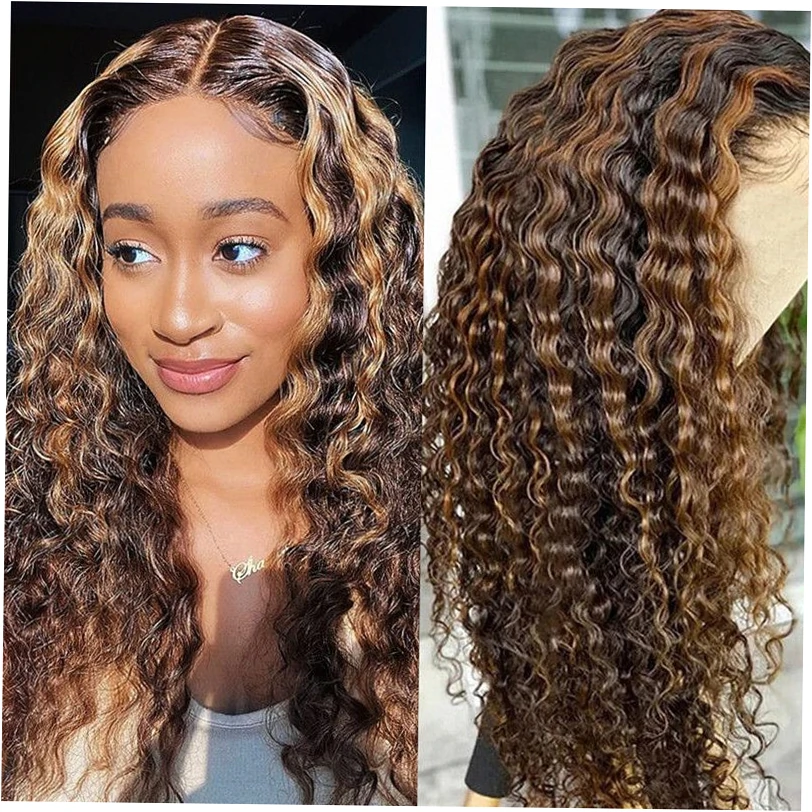
Fill a basin with lukewarm water and add a small amount of sulfate-free shampoo. Do not dump the bundle in and walk away. Hold the weft, let the lengths float, and press gently along the shaft. The goal is to move cleanser through the hair without scouring the cuticle or stretching the track.
Shampoo Without Scrubbing the Track
Apply shampoo mainly to the lengths and any visible buildup, not directly to the weft. Use downward strokes with flat palms, then rinse from the top of the weft to the ends. If your scalp is the reason for washing, cleanse the scalp separately with a gentle shampoo and keep the bundle out of the suds. Raw hair does not need a weekly deep clean.
A clarifying wash is useful once in a while if the hair smells chemical or feels coated, but it is not a monthly habit. Strong clarifiers can strip the natural oils that make raw bundles pliable. If you use one, follow with a moisturizing conditioner on the mid-lengths and ends only. Rinse until the water runs clear.
Condition, Rinse, and Dry Completely
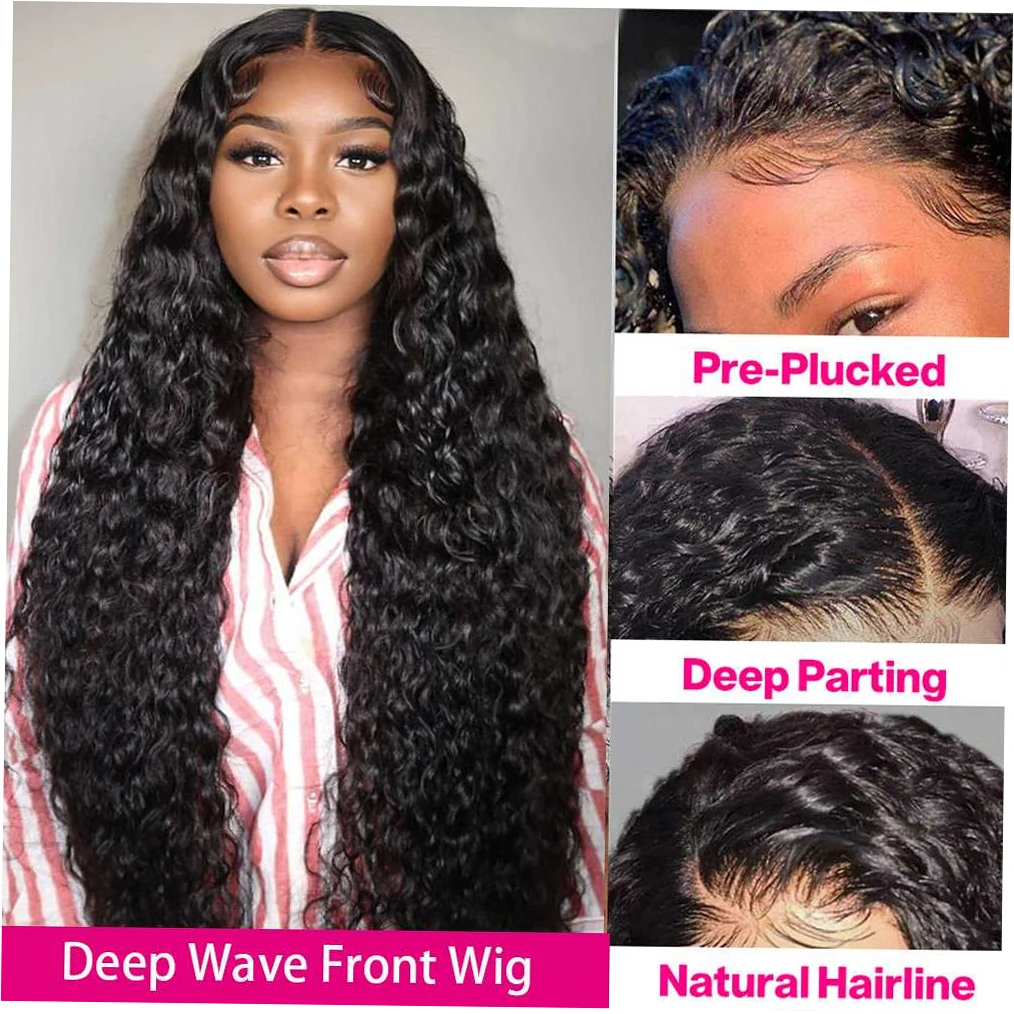
Conditioner belongs from the mid-shaft to the ends, at least two inches away from the weft. Leave it on for three to five minutes, then rinse with cool water to help the cuticle lie flat. Do not comb while soaked, and do not wring, twist, or rub the bundle with a towel. Press it between a clean towel and let gravity remove excess water.
Drying is where many wash days fail. Air-dry clip-ins on a rack with good airflow, and use a hooded dryer or cool blow-dryer for sew-ins. The braids underneath must be dry, not just the visible hair. If you smell dampness near the track, stop styling and dry again; mildew can start before the surface feels wet.
| Step | Action | Time | Why it matters |
|---|---|---|---|
| 1 | Detangle dry and inspect weft | 10 min | Finds shedding before water stress |
| 2 | Fill basin with lukewarm water and sulfate-free shampoo | 2 min | Prevents sudden temperature and detergent shock |
| 3 | Clean lengths with downward palm strokes | 3-5 min | Limits cuticle lifting |
| 4 | Condition mid-lengths and ends only | 3-5 min | Avoids weft softening |
| 5 | Rinse cool and press dry | 5 min | Reduces frizz and water weight |
| 6 | Dry track and braids fully | 2-24 hr | Prevents mildew and odor |
Which Mistakes Cause Tangling and Shedding?
Over-Washing and Product Buildup
Washing too often is the quieter mistake. Every wash cycle adds friction, and over-conditioning leaves a film that attracts dust and makes strands cling together. If your bundles feel coated, not clean, clarify once and then simplify your routine. Most wearers do fine with a wash every one to two weeks, depending on sweat, scalp oil, and styling products.
Heavy oils, edge control, and silicone serums can migrate into the weft and trap debris. Use them sparingly, and keep them off the track. A lightweight leave-in on the ends is usually enough. If you need a serum for shine, apply it to your palms first, then smooth the ends rather than pouring it directly onto the bundle.
Rough Handling at the Weft
Shedding often starts at the seam. Loose wefts, cut wefts, and glue-sealed tracks are vulnerable when wet because hair is weaker and heavier. Never hold the bundle by the ends while washing, and never let it hang free in a bucket. Support the weft with one hand and work sections with the other. This is especially important for thin hand-tied tracks.
Brushing wet hair is another common trigger. If you must detangle damp hair, use a wide-tooth comb and start at the ends. Do not yank through a knot. Work it loose with your fingers and a little conditioner. If a knot will not release, trim that single strand instead of pulling the whole section and risking a larger shed.
Drying Errors That Cause Mildew
Mildew is a real risk in sew-ins, braided styles, and any install where water reaches the foundation. The surface can feel dry while the braids underneath stay damp for hours. Use a hooded dryer or a cool blow-dryer on the track area, then check with your fingers. If the air feels cool and damp, keep drying. Do not cover the install with a bonnet until it is fully dry.
Storage matters too. Never put damp bundles into a plastic bag or a closed drawer. Lay them flat on a clean towel, let them air-dry completely, then store them loosely in a breathable bag. If you live in a humid climate, a dehumidifier or a short cool-dryer pass before storage can save the bundle from that sour smell.
| Problem | Likely cause | What to do | Prevention |
|---|---|---|---|
| Tangling at ends | Product buildup or dry ends | Clarify once, trim split ends, add leave-in | Rinse thoroughly; avoid heavy oils |
| Shedding at weft | Rough handling or loose track | Stop washing, dry flat, repair or replace weft | Support track; comb dry |
| Musty odor | Damp braids or stored damp | Re-dry with airflow; do not cover | Hooded dryer; breathable storage |
| Frizz after wash | Hot water or towel rubbing | Cool rinse; press dry; smooth with leave-in | No wringing; downward drying |
| Weft softening | Conditioner on track | Rinse track thoroughly; dry flat | Keep conditioner 2 inches away |
Which Wash Routine Fits Your Install?
Sew-Ins, Clip-Ins, and Short Bobs
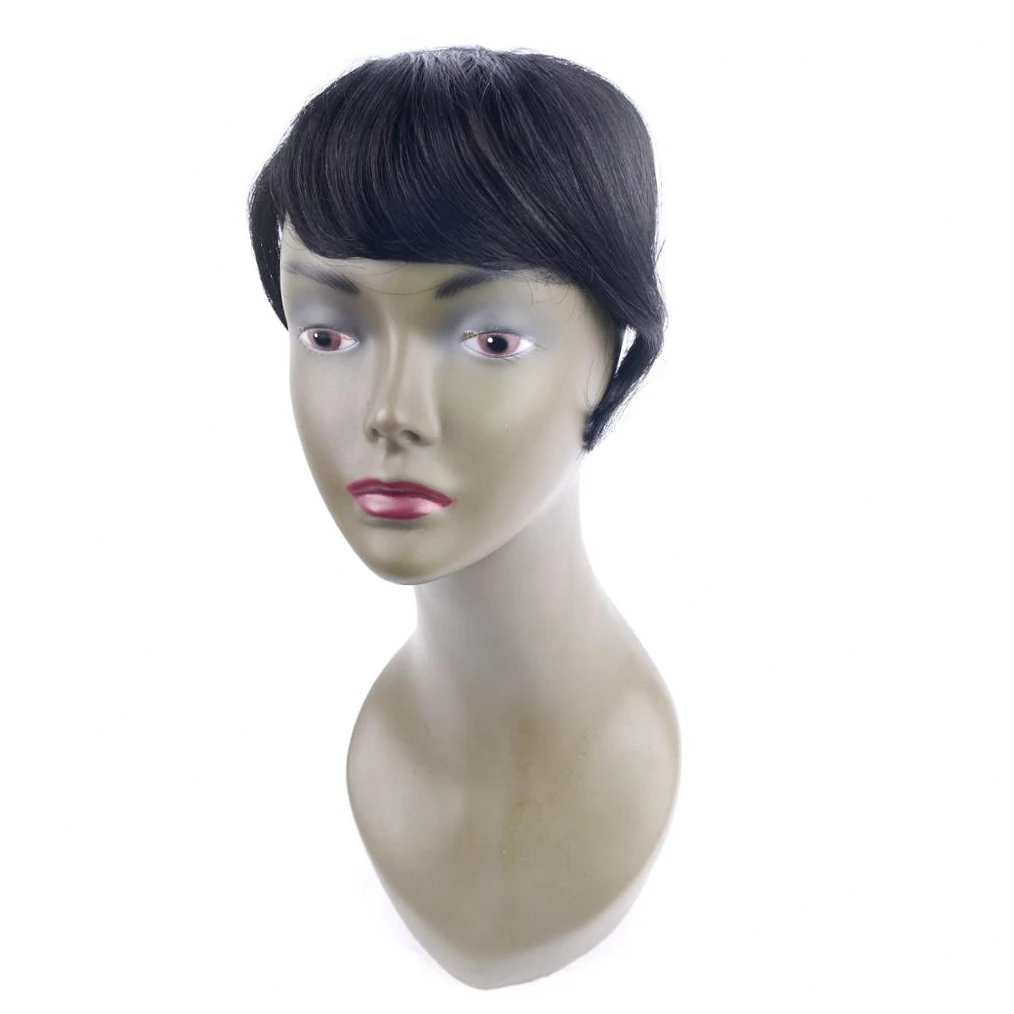
Sew-ins need a scalp-first plan because your natural hair is underneath. Wash in sections, rinse thoroughly, and dry the braids before you style. Clip-ins are the easiest to maintain because you can wash only the wefts that need it. For short bob installs, pay extra attention to the ends around the jaw and neck, where friction and product buildup show up first.
If you also wear synthetic pieces, do not copy raw-hair rules onto them. A synthetic wig washing routine uses cooler water and different products because synthetic fibers do not absorb oil the way human hair does. Keep the routines separate so you do not over-condition raw bundles or melt synthetic fibers with high heat.
Curly, Wavy, and Straight Textures
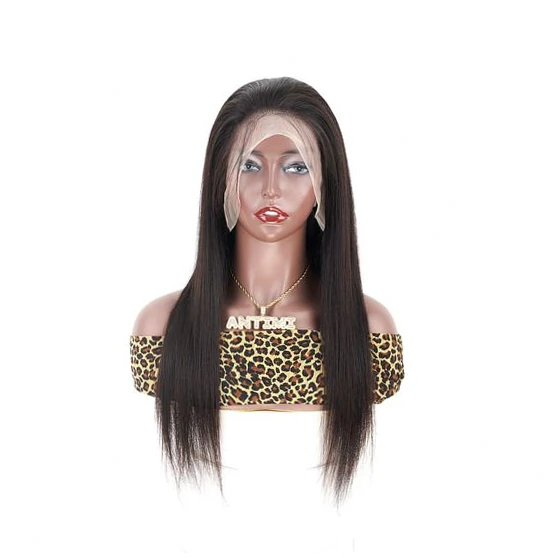
Curly raw bundles need more water and less combing. Wash in loose sections, condition generously, and scrunch rather than rub. Wavy bundles can be smoothed with a wide-tooth comb while damp, but avoid stretching the pattern. Straight bundles are the least forgiving of creases, so dry them flat or on a low-tension hanger and keep the ends weighted gently.
Texture matching matters as much as washing technique. If the bundle does not blend with your leave-out, you will be tempted to use more heat, which eventually weakens the hair. Choose a pattern close to your own before you worry about the perfect shampoo. The best routine cannot rescue a texture that fights your natural hair every morning.
How Often Should You Actually Wash?
There is no fixed calendar. Wash when the scalp itches, the weft smells, or the ends feel coated. A weekly wash suits heavy sweaters and active scalps; every two weeks is often enough for cool weather and light products. If you work out daily, rinse the scalp and dry the track rather than shampooing the entire bundle every time.
Track your washes for the first month. Note shedding, tangling, and how the ends feel after each wash. That simple log is more useful than a generic schedule because it shows whether your cleanser, drying method, or product load is the problem. Adjust one variable at a time, and give the bundle two cycles before judging the result.
Keep Raw Bundles Beautiful Between Washes
Nighttime Storage That Prevents Frizz
At night, loosely braid or twist the bundle and cover it with a satin scarf or bonnet. Avoid tight scrunchies at the weft because they create creases and stress the track. If you wear clip-ins, remove them, detangle gently, and store them flat. A little nightly care reduces the friction that makes you reach for a heavy serum in the morning.
Do not sleep on damp hair if you can avoid it. Even a small amount of moisture trapped against a pillow can create a musty smell near the track. If you shower at night, dry the weft area thoroughly before bed. In humid weather, run a fan or dehumidifier in the room rather than sealing the hair under a tight wrap.
Refresh Without a Full Wash
Between washes, use a small amount of water and leave-in on the ends, then smooth downward with your fingers. For scalp odor, a dry shampoo or a diluted witch hazel wipe on the scalp can help, but keep liquids away from the weft. Do not spray conditioner directly onto the track. Refresh the surface, not the foundation.
If the bundle feels stiff from product, a cool-water rinse can be enough. Skip shampoo, apply a light conditioner to the ends, and dry completely. This is also a good moment to inspect for loose stitches or split ends. Small repairs now prevent a larger shed later, especially on short styles where the ends are more visible.
When to Ask a Professional
Book a professional if the weft is loosening, the braids underneath stay damp, or you see mildew. DIY fixes can spread the problem, and a compromised track is not worth saving with another wash. A stylist can dry the foundation, tighten the install, or remove it before odor and shedding become permanent. Paying for a check is cheaper than replacing the bundle.
For very curly or fragile raw hair, a professional wash can be worth it once or twice during the install. Ask them to avoid brushing the curl pattern and to use cool air on the track. If they want to clarify aggressively, question it. A good wash should leave the hair clean, supple, and still matched to your natural texture.
Raw Hair Bundle Washing Questions
Can I wash raw hair bundles right after buying them?
Yes, if they smell chemical, feel coated, or have visible dust. Otherwise, a gentle wash is optional. New bundles often look better after one wash because the cuticles settle, but rough handling can also cause unnecessary shedding. Use a sulfate-free shampoo, condition the ends only, and dry the weft completely before installing.
How often should raw hair bundles be washed?
Every one to two weeks is a practical range for most wearers. Wash sooner if you sweat heavily, use a lot of styling product, or notice odor near the track. Wash less often if the hair is dry and the scalp is clean. The bundle itself does not need a strict weekly schedule; your scalp and lifestyle set the pace.
Why did my raw bundles tangle after one wash?
The usual causes are product buildup, hot water, rough towel drying, or conditioner left on the weft. Tangling can also mean the bundle was not truly raw or has mixed cuticle directions. Detangle dry, clarify once if needed, and change only one habit at a time. If tangling continues after three gentle washes, the hair quality is suspect.
Is sulfate-free shampoo really necessary for raw hair?
It is the safer default, especially for frequent washing. Sulfates can strip oils and roughen the cuticle, but a well-formulated sulfate shampoo used occasionally is not automatically ruinous. The bigger risk is scrubbing the weft or leaving conditioner behind. Choose a gentle cleanser, rinse thoroughly, and avoid clarifying every wash.
Can I use regular conditioner on the weft?
No. Keep conditioner at least two inches away from the weft and rinse the track thoroughly. Conditioner softens the stitching and can attract debris, which weakens the seam. If the weft feels dry, use a tiny amount of leave-in on the ends instead. Dry the track flat and never store it damp.
How do I dry raw hair bundles without a hooded dryer?
Press out excess water, lay the bundle flat on a clean towel, and aim a fan or cool blow-dryer at the weft. Flip it once the top feels dry and keep air moving through the lengths. For sew-ins, separate the braids and dry the foundation in sections. If you cannot get the track fully dry, do not cover it.
Are expensive raw bundles easier to wash?
Price does not replace technique. A costly bundle with a loose weft will still shed, and a cheaper bundle with aligned cuticles may wash well for months. Spend on verified quality if you can, but budget for gentle tools, a sulfate-free cleanser, and proper drying. The wash routine decides whether the investment lasts.