Why Tape In and Sew In Damage Hair
My take on tape in vs sew in hair extensions? There’s no universal winner—your hair density, scalp oiliness, and lifestyle decide it. For most fine-haired people, a beaded sew-in offers a more secure base; tape-ins win on speed and initial comfort but require meticulous installation. If you’re still exploring, start with my guide to the best extensions for short hair.
Table of Content
How Do Tape-In and Sew-In Extensions Work?
Tape-In Extensions: Adhesive Wefts
Tape-in extensions work by sandwiching your hair between adhesive strips: a stylist presses pre-taped wefts onto thin sections about one inch from the scalp, bonding instantly without heat. A full head takes 1–2 hours, and the flat profile hides well under medium to thick hair—though fine hair may reveal the tapes if not carefully placed.
Sew-In Extensions: Braids and Thread
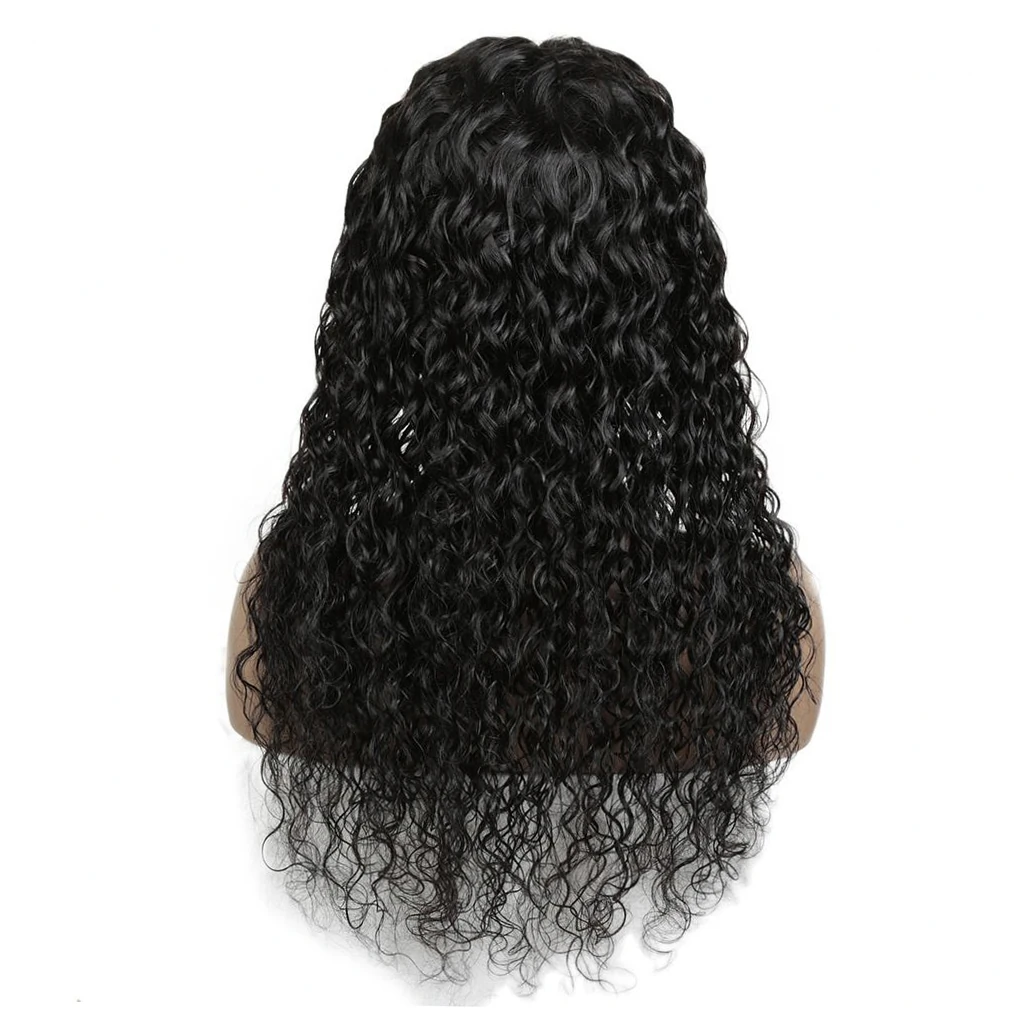
Sew-in extensions rely on a braided foundation: your natural hair is braided in rows, then wefts of hair are sewn onto the braids with needle and thread. A beaded variant uses silicone-lined micro-rings instead of braids, which can be gentler on fine hair. Installation takes 2–4 hours and creates a secure, long-lasting base, but the tension can feel tight for the first few days.

Key Mechanical Differences
The core difference is how weight is distributed: tapes rely on adhesive coverage across many small sections, while sew-ins consolidate weight along braided rows. Tapes are faster to install and remove, but they concentrate stress on individual strands; sew-ins spread tension more evenly but can pull at the scalp if braided too tightly. Neither method is inherently damage-free—the skill of your stylist matters more than the method itself.
| Feature | Tape-In | Sew-In |
|---|---|---|
| Installation time | 1–2 hours | 2–4 hours |
| Maintenance interval | Re-tape every 6–8 weeks | Tighten every 8–10 weeks |
| Best for | Medium to thick hair; fine hair with careful placement | Fine to medium hair; especially beaded wefts |
| Removal | Adhesive remover, 30–60 min | Unbraid/unsew, 30–60 min |
| Typical cost | $200–$600 initial | $300–$800 initial |
| Damage risk | Moderate (adhesive tension, slippage) | Moderate (braid tension, breakage) |
| Hiding in short hair | Harder if tapes bulky | Easier to place away from hairline |
Which Lasts Longer: Tape-In or Sew-In Extensions?
Average Wear Time and Refresh Cycles
On average, tape-ins last 6–8 weeks before the adhesive weakens and the wefts start to slip. Sew-ins can stay in place for 8–10 weeks, sometimes longer with a tightening appointment at the 6-week mark. However, these are averages: oily scalps break down tape adhesive faster, while dry scalps may extend tape life. For a deeper dive into tape-in longevity, read my breakdown of how long tape-ins last.
What Affects Longevity?
Several factors shorten or extend wear: scalp sebum production, hair growth rate, washing frequency, and the weight of the extensions. Heavy wefts on fine hair cause tape to slip and braids to pull. Heat styling near the tape can soften adhesive, and swimming in chlorinated water degrades both tape and thread. Your stylist’s sectioning technique also plays a huge role—too little hair per tape means weak hold; too tight braids mean breakage.
Why Do Stylists Warn About Tape-In Damage?
The Tension and Weight Distribution Problem
Tape-ins can cause traction alopecia when too much weight hangs from a small section of hair. Because the adhesive grips individual strands, any pulling is concentrated at the root. Fine hair is especially vulnerable: the tape may not grab enough hair to support the weft, leading to slippage and subsequent re-taping that further stresses the follicle. Sew-ins also create tension, but braided rows distribute force across a wider area—though overly tight braids can still cause headaches and breakage.
Real-World Reports vs Marketing Claims
Some salons market tape-ins as the “healthiest” method because they don’t use heat or braids. In practice, long-term wearers often report the opposite: tapes can rip out hair during removal, especially if the adhesive has bonded to natural shed hair. A newer “tape weft” product—where a single wide tape supports a large weft—has drawn particular criticism from stylists who say it cannot grip enough hair for the weight, causing more damage than traditional hand-tied wefts.
| Claim | What Wearers Report | Our Assessment |
|---|---|---|
| “Tape-ins are damage-free.” | Users report hair loss during removal; tapes hold shed hair, making the loss look dramatic. | No extension is damage-free; tension and adhesive both carry risk. |
| “Tape wefts are the healthiest option.” | Stylists report tape wefts rip hair because the tape cannot support the weft weight; poor flexibility. | Tape wefts may work for some, but require very careful sectioning and weight limits. |
| “Sew-ins are too tight and always cause breakage.” | Some users had great results with beaded wefts and minimal damage; others experienced headaches from tight braids. | Skill of installer matters more than method; beaded sew-ins can be gentler on fine hair. |
| “Tape-ins are easier to maintain.” | Users say tapes require frequent re-taping (every 6-8 weeks) and can slip with oily scalps. | Maintenance frequency is similar to sew-ins, but tape removal is faster. |
Which Method Suits Short Hair Better?
Hiding Ability and Blending
Short hair offers less natural coverage, so both methods require strategic placement. Tape-ins lie flat but the adhesive strips can create visible bumps near the roots if your hair is very fine or cropped above the jaw. Sew-ins can be positioned further back from the hairline, and beaded rows are less bulky than traditional braids. For a pixie cut or a blunt bob, clip-ins or halo extensions often blend more seamlessly—but if you’re committed to a semi-permanent method, a beaded sew-in usually hides better.
Lifestyle and Maintenance Tolerance
Your daily routine dictates which method you’ll tolerate. If you swim often, tape adhesive weakens quickly and sew-in braids can stay damp and mildewy. If you have an oily scalp, tapes may slip within weeks. If you work out daily and wash frequently, sew-ins with beaded rows handle water better but take longer to dry. And if you’re rough with brushing or love high ponytails, tapes may pull loose; sew-ins can be styled up but may feel tight.
| Your Profile | Recommended Method | Why |
|---|---|---|
| Fine, oily scalp | Beaded sew-in | Tapes slip; braids distribute weight. |
| Fine, dry scalp | Tape-in (with careful placement) | Adhesive holds well; less braid tension. |
| Active swimmer | Beaded sew-in (expect faster wear) | Tape adhesive degrades in water; braids can be dried thoroughly. |
| Short bob, low maintenance | Tape-in | Faster install, easier removal. |
| Pixie cut, want maximum hide | Beaded sew-in | Can place rows away from hairline. |
How to Choose and Maintain Your Extensions?
A Step-by-Step Decision Framework
Start by assessing hair density and scalp oiliness: fine, oily hair favors a beaded sew-in. factor in lifestyle—swimming, sweating, and washing frequency all affect longevity. Then weigh budget and time: tape-ins cost less upfront but need frequent re-taping; sew-ins cost more initially but last longer per cycle. Finally, interview your stylist: ask for photos of similar hair types and a weight-distribution plan. A good stylist will refuse to install extensions that are too heavy.
Maintenance and Removal Best Practices
Maintain tape-ins by washing gently with sulfate-free shampoo, avoiding conditioner near the bonds, and drying the tapes completely. Never use heat directly on the adhesive. For sew-ins, keep braids moisturized and wash in sections; use a scalp brush to prevent buildup. Removal should always be done by a professional: tape adhesive is dissolved with a solvent, while braids are carefully cut and unsewn. Rushing removal is the fastest way to rip out natural hair.
What to Ask Your Stylist Before Booking
Before you commit, ask three questions: How much weight per section will you use? Can you show me healed photos of clients with my hair type? What is your removal process? A stylist who hesitates or promises “zero damage” is a red flag. Schedule a consultation, not an immediate install—this gives you time to compare quotes and assess the salon’s hygiene.
FAQ About tape in vs sew in hair extensions
Is tape-in or sew-in better for fine hair?
For most fine-haired people, a beaded sew-in is safer because it distributes weight across a row rather than pinching individual strands. Tape-ins can work if your stylist uses small, light wefts and avoids over-taping. However, fine hair often lacks enough density to hide tape bumps, so beaded wefts or hand-tied rows are usually the more reliable choice.
Can I wear tape-ins with short hair?
Yes, but hiding the tapes is the main challenge. Short hair exposes more of the root area, so any bulk from adhesive strips becomes visible. A stylist can place tapes slightly lower or use narrower wefts, but for very short cuts (pixie or jaw-length bob), beaded sew-ins often blend better. Clip-ins remain a temporary alternative for special events.
Do tape-ins cause more damage than sew-ins?
Both can damage hair if installed incorrectly. Tape-ins concentrate tension on small sections and can rip hair during removal, especially if adhesive bonds to shed hair. Sew-ins can cause breakage from tight braids, but beaded rows reduce that risk. The deciding factor is your stylist’s technique and your willingness to follow aftercare instructions—not the method alone.
How often should I re-tape or tighten my extensions?
Tape-ins typically need re-taping every 6–8 weeks as your hair grows and adhesive weakens. Sew-ins need tightening every 8–10 weeks, depending on growth rate. If you have an oily scalp, tapes may slip sooner (4–6 weeks). Never stretch the timeline to save money—loose extensions pull more and cause breakage.
Can I swim with tape-in or sew-in extensions?
Swimming is tough on both: chlorinated and salt water degrade tape adhesive and can mat sew-in braids. If you swim regularly, tape-ins may fail within 3–4 weeks. Sew-ins can survive if you rinse and dry the braids thoroughly, but they may still loosen. For frequent swimmers, clip-ins or halo extensions are more practical.
How much do tape-in and sew-in extensions cost?
Tape-ins usually cost $200–$600 for the hair and installation, with re-taping at $50–$150 every 6–8 weeks. Sew-ins range from $300–$800 initially, with tightening at $75–$200 every 8–10 weeks. These are estimates; price varies by salon, hair quality, and region. Always ask for a full quote including removal and aftercare products.