Best Hair Extensions for Short Hair Explained
I get asked about the best hair extensions for short hair almost weekly, so here is my blunt answer: they work, but only when your natural hair is at least three inches long at the nape and you choose a flat, low-profile method instead of long clip-in rows. Below that threshold, short wig options win on blending, cost and scalp comfort. Everything in this guide flows from that single constraint.
Table of Content
What Counts as Short for Extensions?
The Two-Inch Rule and Blend Zones
Judge your length by the blend zone, not the number on a ruler: you need roughly two inches of your own hair overlapping the attachment point so the seam disappears. At four inches you have a workable overlap. At two inches you have almost none, and at pixie length the weft sits fully exposed. That is the honest reason stylists turn people away.
Density matters just as much as length. Fine, slippery hair can slide even at five inches because there is less friction gripping the panels, while thick coarse hair holds a tape seam at three inches. Check your ponytail circumference before you shop: anything close to the diameter of a dime calls for light rows, a topper or a wig rather than five stacked wefts.
How Extensions Attach to Short Hair
Every method pins hair close to the scalp, and short hair changes which fastenings hold: tapes sandwich a ribbon of hair between adhesive panels, micro-rings clamp small sections, keratin bonds fuse to individual strands, and wefts are sewn into braided rows. Attachment height matters more than brand. Keep fastenings inside the top two inches of scalp, where density peaks, and the install hides itself.
Weight distribution is the second sticking point. Short hair offers less surface area to carry the load, so one heavy row pulls harder than three light ones. I keep each row narrow and stagger the heights rather than stacking everything at the crown. It takes longer to install, but your scalp will not ache by dinner and the hairline stays flat instead of bulging.
Why Length Ratio Decides Naturalness
Proportion, not volume, is what makes short-hair extensions believable: a 16-inch set on a four-inch bob reads as a costume, while a 10 to 12-inch set keeps the silhouette plausible. Aim for roughly double your current length and never more than triple. If you want waist-length hair tomorrow, that is a wig conversation rather than an extension conversation.
| Nape length | What actually blends | Best-fitting method | Honest expectation |
|---|---|---|---|
| Under 2 in (pixie) | Nothing hides a seam | Wig or topper | Extensions slip and show |
| 2–3 in | Thin tapes, halo wire | Tape-ins, halos | Frequent move-ups needed |
| 3–4 in | Tape-ins, light wefts | Tape-ins, beaded rows | Works after layered cutting |
| 4–6 in (bob) | Most methods | Sew-ins, bonds, clips | Easiest blending, most choice |
Which Extension Method Works Best?
Clip-Ins, Tape-Ins, and Sew-Ins Compared
For short hair, flatness beats hair quality in the first month: tape-ins sit closest to the scalp, wefts sewn into braids follow your head shape, and clip-ins add bulk exactly where short hair has none to spare. Comparing tape-in versus sew-in wefts, tape wins on speed and price, while sewn rows win on security for dense hair and long wear.
Clip-ins remain the safest entry point because nothing is bonded, glued or braided. The catch is placement: on a bob you need the clips high and the panels trimmed to your cut, otherwise the ends poke out below your own hair. A reliable clip-in installation walkthrough will save you an hour of frustrated mirror work and a returned set.
Bonds, Micro-Links, and Halo Pieces
Keratin bonds and micro-links offer 360-degree movement, which matters if you wear ponytails or updos, but they demand the longest installs and the highest budgets. On very short hair they can also look clumpy near the scalp, because each bond needs a strand long enough to wrap. Halos skip attachment altogether and simply rest on a hidden wire.
Halos deserve more attention than they get for chin-length cuts. There is no tension, no adhesive and nothing to blend underneath, so a two-inch crop can wear one convincingly for a wedding or a photoshoot. The trade-off is obvious: you cannot pull it into a ponytail, and it shifts if you dance too enthusiastically.
| Method | Typical cost (USD) | Install time | Best for | Main limitation |
|---|---|---|---|---|
| Clip-in | $80–$300 | 5–15 min DIY | Occasional wear, bobs | Bulk and visible clips |
| Tape-in | $200–$600 | 45–90 min | Fine to medium hair | Move-ups every 6–8 weeks |
| Sew-in weft | $400–$2,000 | 2–4 hours | Dense hair, long wear | Tightness, limited styling |
| Keratin bond | $600–$1,500 | 3–5 hours | 360° styling freedom | Cost, careful removal |
| Micro-link | $500–$1,200 | 3–4 hours | Sensitive scalps | Slippage on fine hair |
| Halo | $60–$250 | 2 min | Very short hair, events | No updos possible |
Best Extensions for Short Hair by Style
Sleek Bobs, Curls, and Volume Goals
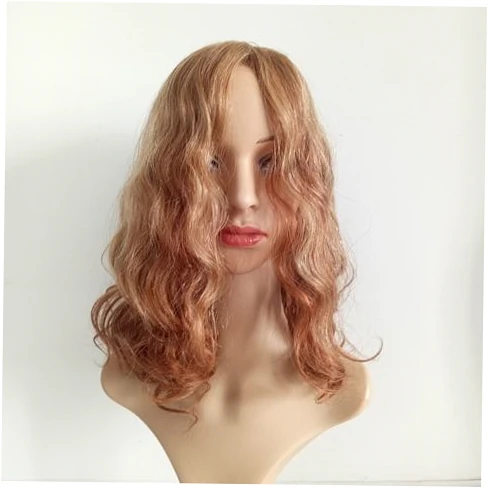
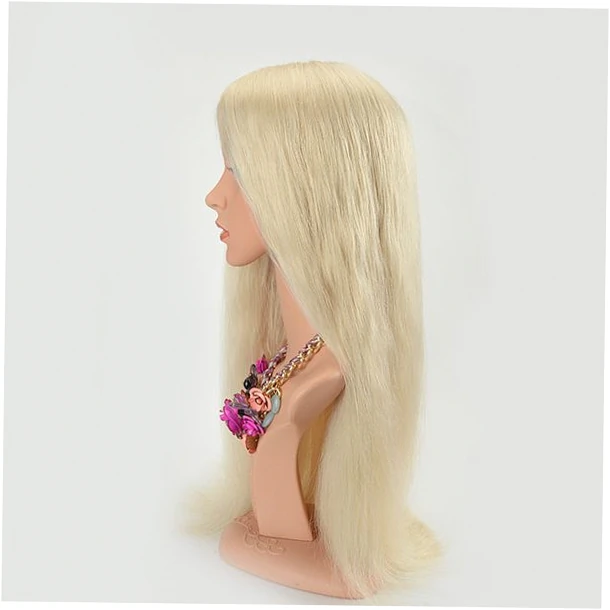
Match the texture you already have, then add one step of wave: straight bobs look best with smooth, slightly tapered wefts, while curly cuts need a pattern that echoes your own so the join disappears. Volume seekers should add width at the sides rather than length at the back. A wide, short set reads fuller than a long, thin one.
Curly and coily textures are actually easier at short lengths, because shrinkage does the blending for you. A 14-inch curly weft on a three-inch textured cut collapses to roughly shoulder length once dry, and the pattern hides seams that straight hair would expose. Stretch the hair first so you know the real dry length before committing.
Budget Routes That Still Blend
I always suggest starting cheap and upgrading once you know your limits. Crochet latch hook hair is the underrated option here: cornrow your natural hair, then loop pre-formed hair through the braids, so length is added with zero adhesive and zero tension on loose strands. It works on hair as short as one inch.
Synthetic sets can work too if you accept their limits honestly. Modern heat-resistant synthetic extensions can be reshaped with low heat, but check the rated temperature before you touch them with a 450°F iron; most tolerate 250–350°F at best, and some cannot be heat-styled at all. Read the label twice, then test one hidden strand.
What Longevity Really Costs
Price per wear matters more than sticker price. Tape-ins typically need move-ups every six to eight weeks, and human hair lasts six to twelve months with good care, which puts a $400 set near $50 a month when maintained properly. Cheap hair that mats after three washes costs more in replacements than a mid-range set that holds.
Plan your tape-in extension lifespan around your routine, not the marketing copy: washing daily, using heavy oil near the roots and sleeping on cotton all shorten it. Ask your stylist how many move-ups the hair itself will survive before the ends thin out. That number, not the install price, tells you the real annual cost.
Why Do Extensions Slip on Short Hair?
Slippage, Peeking, and Weight Distribution
Short hair slips for three boring reasons: the panels are too heavy for the strand count, conditioner has reached the adhesive, or the rows sit too low where density drops. Peeking is different and easier to fix, since it is usually a trimming problem rather than a grip problem. Diagnose before you reinstall, or you will repeat the same failure.
A cheap diagnostic: run your fingers along the seam an hour after installation. If the tape lifts at the corners, the section was too thick. If the whole panel slides sideways, your hair is too fine for that weight. Both point to smaller sections and lighter wefts, not stronger glue, which only damages the cuticle.
Fixes for Fine and Slippery Hair
Prep is where fine-hair installs survive or fail: clarify the scalp two days before, skip conditioner at the roots and let natural oils return before panels go on. Stylists who fit professional salon extensions usually add a light volume mousse and rough-dry each section first, because a slightly textured surface grips adhesive far better than silk-smooth hair.
Aftercare decides the rest. Wash with sulfate-free shampoo no more than twice weekly, condition from mid-shaft down, and dry the seams completely before bed. A satin bonnet removes the friction that slowly peels tape corners overnight. If a corner lifts repeatedly, have that panel replaced instead of pressing it back with household glue.
When a Wig Beats Extensions
Lace Frontals and Wear-and-Go Caps
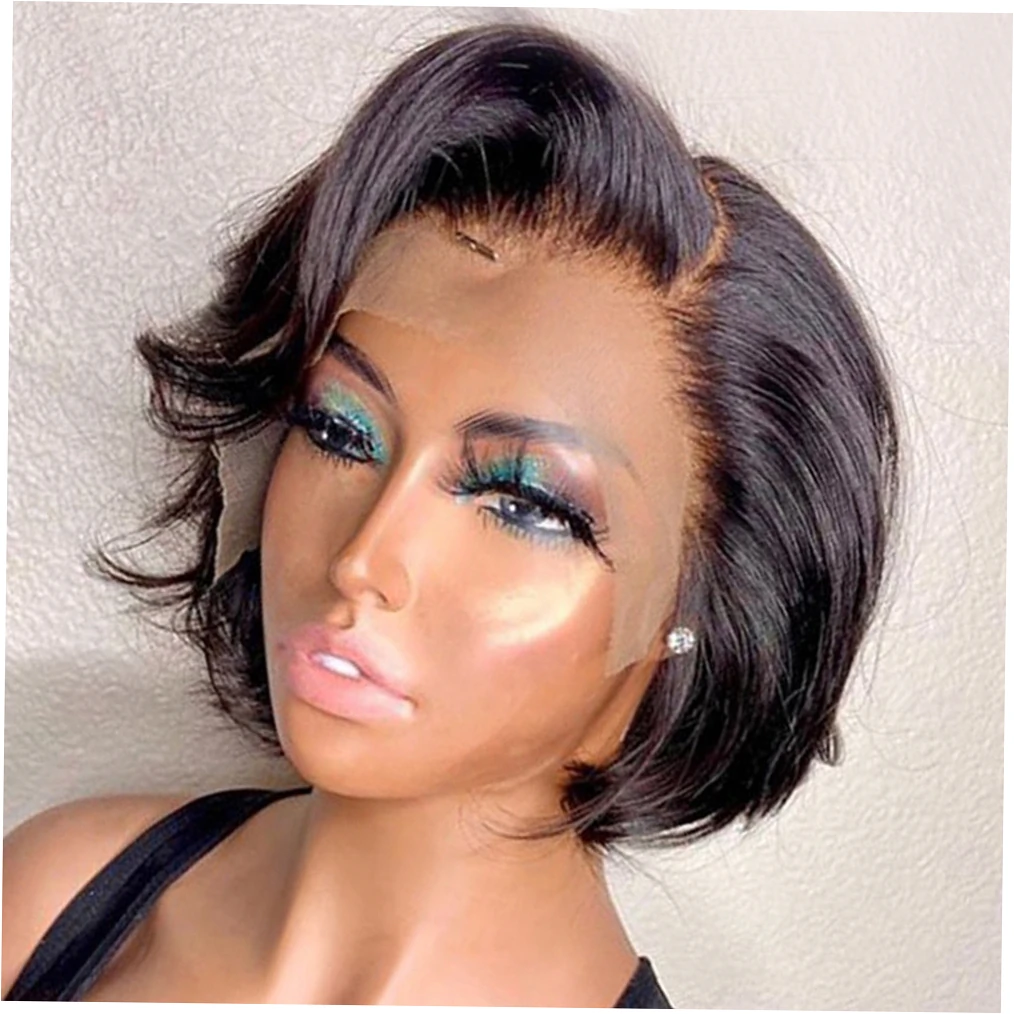
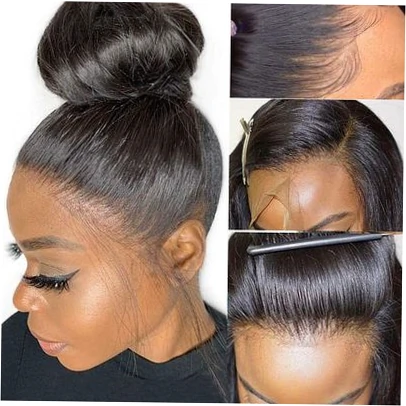
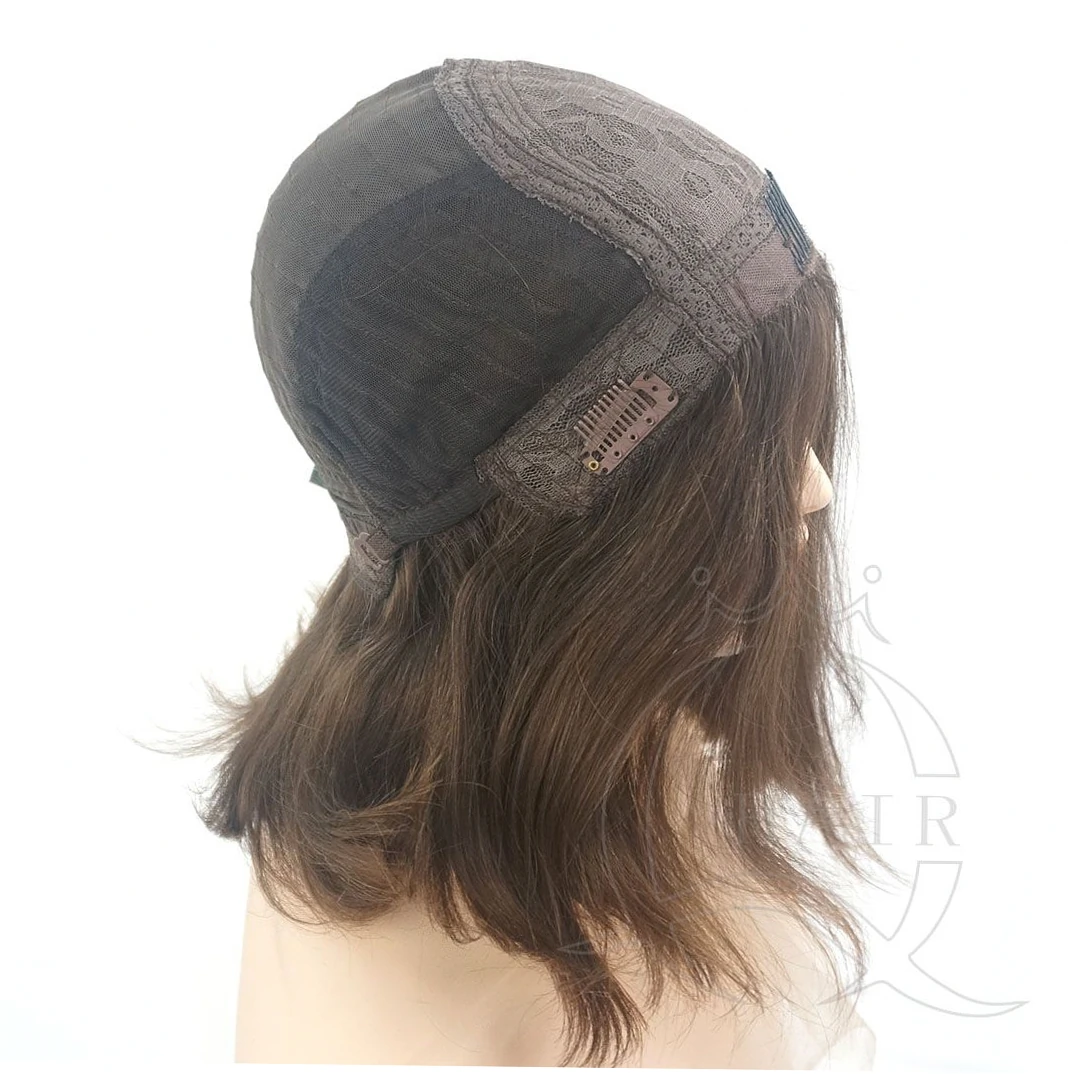
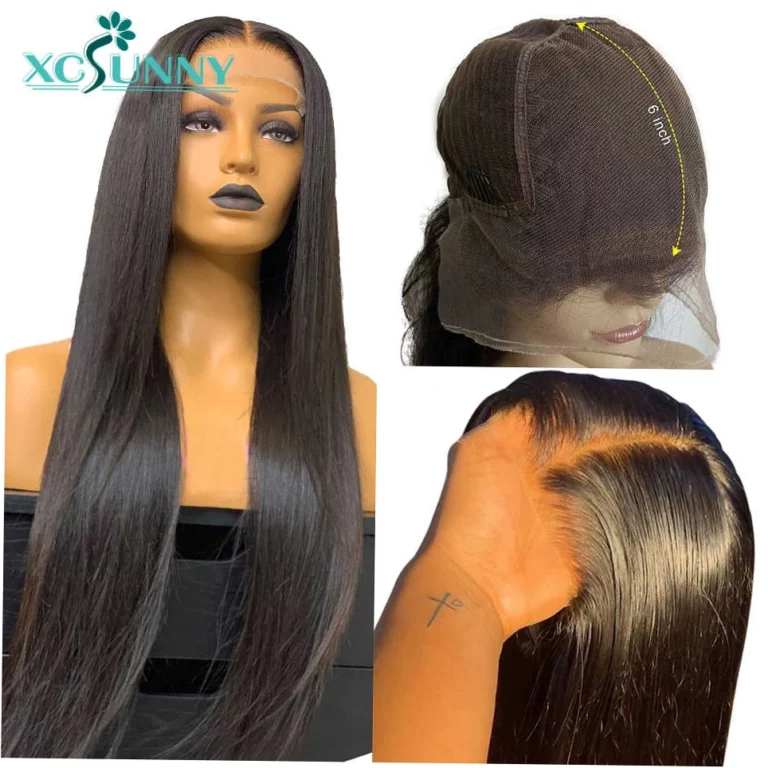
Under two inches, a wig is simply the better engineering choice: nothing needs blending, the hairline is rebuilt rather than hidden, and you can remove it whenever your scalp needs a break. A glueless frontal wig skips adhesive entirely, using adjustable straps and combs, which makes it the least irritating route for a sensitive scalp.
The trade-off is maintenance noise rather than quality. Synthetic caps need refreshing every few wears, lace needs careful handling at the hairline, and a cheap unit can feel warm by mid-afternoon. Buy one good cap instead of three poor ones; fit and ventilation matter more for comfort than whether the fibre is marketed as premium.
Curly, Coily, and Straight Wig Options
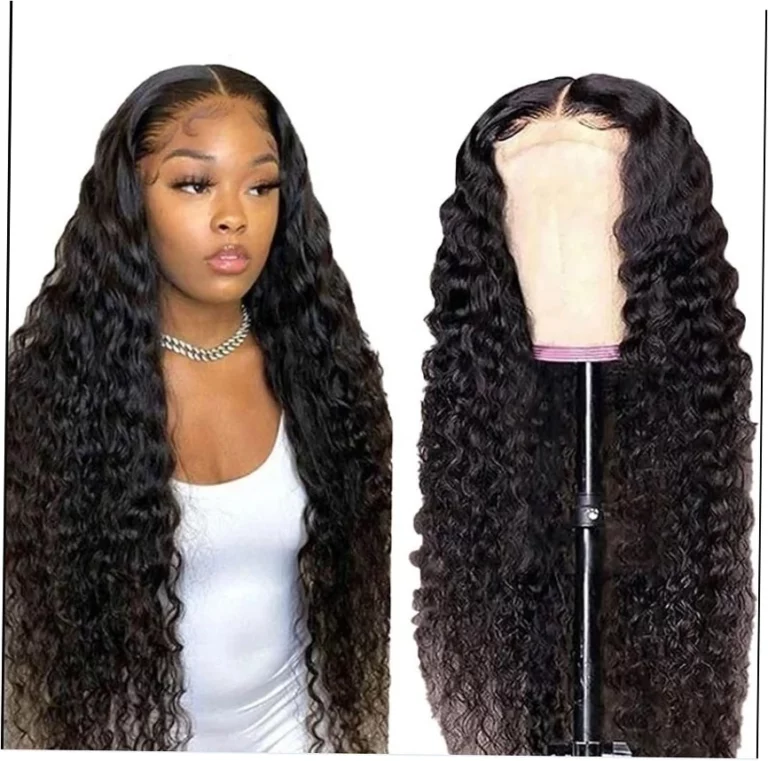
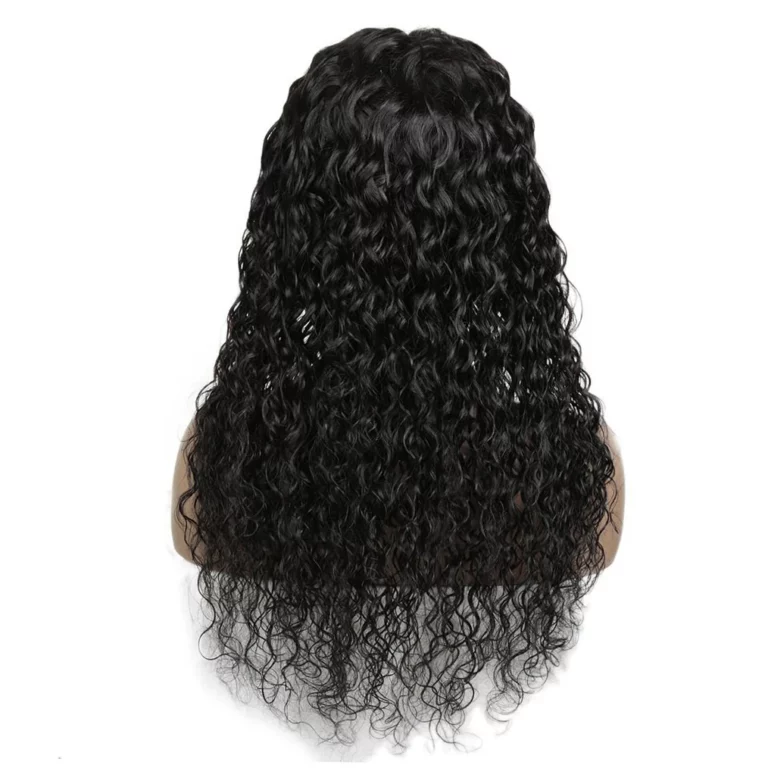
Texture choice should follow your natural pattern, because the edges give the game away. Chin-length curly wigs are the easiest match for wavy or curly regrowth: the length sits above the shoulders, shrinkage is already built in, and nobody expects a visible part line to be perfect. It is the lowest-risk silhouette for a growing-out cut.
For tighter coils, a short black curly wig in a tapered shape mirrors natural density far better than a straight unit with curled edges. Slick, blunt looks work the other way: match them with smooth, low-sheen fibre and keep the parting soft, because a hard centre part on shiny fibre is what makes wigs obvious in photographs.
Real Risks and Mistakes to Avoid
Tension Damage and Traction Alopecia
The genuine risk with short-hair extensions is tension, not breakage at the ends. Braided or bonded rows pull steadily on a small number of strands, and the American Academy of Dermatology notes that repeated tight styling can cause traction alopecia, which may become permanent if follicles are stressed for years. Risk rises with heavy rows and late move-ups.
Watch for early signals: tenderness the day after installation, small bumps along the row, or a widening part near the crown. Those mean tension is too high, and waiting for the next appointment is a mistake. Remove the offending row, let the area rest for a week, and rebuild with lighter hair.
Breakage is a separate, slower problem. Extensions can protect mid-lengths from heat and friction, which long-term wearers genuinely report as a benefit. They do not stop your roots from growing and they will not make hair grow faster. Your natural length and density come from genetics, nutrition and how gently you treat the ends.
The Truth About Damage-Free Claims
No method is damage-free, and the honest framing is trade-offs rather than absolutes. Tape adhesive can lift cuticle when removed quickly, bonds dissolve if conditioner reaches them, and clips create friction at the same anchor points day after day. The realistic goal is a method you can maintain without rushing removals, plus regular scalp rest.
Read the gap between promises and lived experience before you spend. I have collected the claims sellers repeat most often and set them beside what long-term wearers describe after a few months of daily use, and the pattern holds: blending and maintenance, not the brand name, decide whether you stay happy.
| Common claim | What wearers report | What to do instead |
|---|---|---|
| Works on any short hair | Below ~3 in, seams show and blending fails | Choose a wig or topper under 3 in |
| Completely damage-free | Rushed removal lifts cuticle or breaks bonds | Book professional removal |
| Holds 6–8 weeks | Fine hair often slips by weeks 3–4 | Lighter wefts, earlier move-up |
| Synthetic feels like human hair | Shine and tangling appear after a few washes | Low-heat styling plus serum |
| No tension, no pain | Tenderness is normal 1–2 days, not weeks | Remove if pain persists |
| Longer hair looks better | Longer, heavier sets pull hardest on short cuts | Stay near double your length |
A Practical Buying and Blending Plan
Measuring, Color Matching, and Stylist Prep
Start with a measuring session, not a shopping spree: measure from your part to the ends at the crown, then measure the same line at the back. The difference tells you how much length you can add before the silhouette looks borrowed. Bring a photo of your actual cut and ask what your blend zone allows.
Colour matching works best in daylight with two swatches, one for your mid-lengths and one for your ends, because short hair usually shows more tonal variation than long. If you sit between shades, go slightly lighter: dark extensions against light ends look like a shadow, while lighter ones read as sun exposure. Clip a swatch in before committing.
A Care Routine That Protects Your Own Hair
Build the routine around the seams. Brush with a looped bristle brush starting below the attachment, wash in a downward direction, and never rub the scalp with a towel. Weekly deep conditioning belongs on the mid-lengths and ends only, never at the roots where tape and bonds live. Sleep on satin.
Give your scalp real rest days. When a client needs a break, I point them toward straight wig styles for a week of zero tension, then restart with fresh sections and lighter hair. Rotating between extensions, wigs and your natural cut protects the hairline and saves money, because no single install carries the load all year. Individual results vary, so confirm any plan with your stylist.
Short-Hair Extension Questions, Answered
How short is too short for hair extensions?
Under roughly two inches at the nape, almost no method blends reliably, because there is no overlap zone to hide the attachment. Between two and three inches you can wear very thin tapes or a halo for events, but expect visible upkeep. Above three inches, most flat methods become realistic with a layered cut and a stylist who trims to match.
Can I wear extensions with a pixie cut?
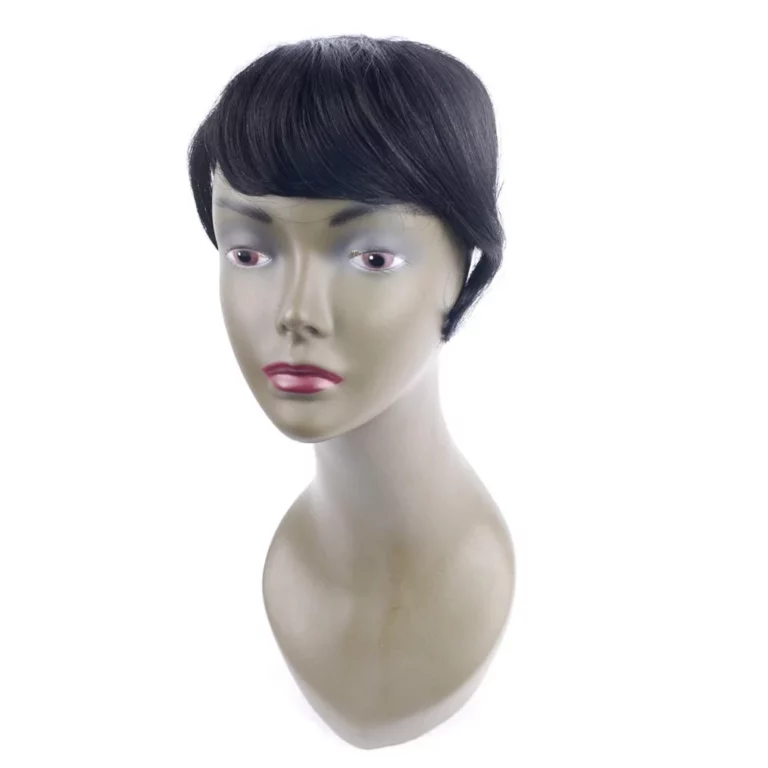
Honestly, no, not the kind that blends into your own hair. A pixie leaves the weft fully exposed and the length ratio looks borrowed. A wig, a topper for crown volume, or a halo for a single evening gives you the same styling freedom without pretending the join is invisible. Save extensions for your next growth milestone.
Do clip-ins or tape-ins blend better on a bob?
Tape-ins usually blend better on a bob because they sit flatter against the head and follow the curve of your cut. Clip-ins can work if you place them high and trim the panels, but they add bulk near the crown where a bob is already dense. Try clip-ins first for occasional wear, then upgrade if you love the length.
Will extensions damage my natural hair while it grows out?
They can, but the cause is usually tension or rushed removal rather than the method itself. Keep rows light, book move-ups on schedule, and never pull tape or dissolve bonds without proper remover. Many wearers report their mid-lengths actually feel healthier because the extensions take the heat styling. Stop immediately if your scalp stays tender.
How much should I budget for short-hair extensions?
Budget for hair, install, move-ups and removal together, not just the first appointment. A realistic first-year range is $400 to $2,000 depending on method and salon location, with tape-ins at the lower end and bonded or sewn methods higher. Ask for the maintenance schedule in writing before you commit.
Are wigs better than extensions for very fine hair?
Often yes. Fine hair carries less weight before slipping or showing tension, and a wig removes that load entirely while giving you fuller density than any weft can add. If you want natural-looking length on thin hair, a well-fitted glueless unit is frequently the more comfortable and more convincing choice.
Can I exercise or swim with extensions in?
You can exercise, but plan around the seams: sweat loosens adhesive over time, so rinse and dry the rows after hard sessions. Swimming is tougher because chlorine and salt degrade both hair and bonds. Wear a cap, rinse immediately, and avoid pools in the final week before a move-up appointment.
3 Comments