Raw vs Virgin Bundles: A Buyer’s Cuticle Guide
After eleven years of installing, bleaching and occasionally ruining other people’s bundles, my short answer to the raw hair vs virgin hair bundles question is blunt: raw lasts longer, virgin feels softer on day one, and neither label is worth much without a supplier you trust. Shopping for a shorter cut? Start with these best extensions for short hair, then come back to the cuticle science below.
Table of Content
What Do Raw And Virgin Bundles Mean?
Raw Hair Comes From One Donor, One Direction
Raw hair is cut from a single head, tied into a bundle, and never exposed to acid baths, silicone coatings or dye. Because every strand still points the same way, cuticles glide instead of snagging, which is why a properly sourced raw bundle can survive multiple installs. What you feel in the bag is simply someone’s untreated hair: coarser, hungrier for moisture, honest.
The trade-off is patience. A fresh raw bundle rarely feels silky, and the wave pattern is whatever the donor had — loose, kinky, or stubbornly in between. I tell clients to co-wash once, air dry, and judge the texture after that. If it still fights your natural hair, no amount of conditioning will fix the mismatch.
Virgin Hair Is Untouched, But Rarely One Person
Virgin means no dye, no bleach, no relaxer — not that every strand came off the same scalp. Many virgin bundles pool hair from several donors, then get an acid wash or light steam to smooth the rougher strands. That pooling is why virgin hair feels uniform in the bag and why cuticle directions can quietly disagree a few inches down.
Processing usually stops at washing and steam-shaping, which is why virgin bundles land softer than raw ones from the same region. The catch is inconsistency: one weft in your order may behave beautifully while the next matts within a month, because two very different heads of hair ended up in the same bundle.
The Two Labels Overlap More Than Vendors Admit
There is no regulator policing these words, so a seller can print raw on anything. Reputable sourcing usually traces back to India, Cambodia or Vietnam, where temple and single-donor hair is collected; bundles claiming raw origins elsewhere deserve hard questions. I keep a longer breakdown of weft construction and origin in this raw and virgin bundles guide when a label alone stops being convincing.
My working rule: treat raw as a sourcing claim and virgin as a chemical claim, then test both. A vendor who happily explains donor region, cuticle direction and weft type is usually selling what they say. A vendor who answers with adjectives instead of facts is selling packaging.
| Feature | Raw hair bundles | Virgin hair bundles |
|---|---|---|
| Donor count | Usually one person | Often two or more, pooled |
| Cuticle direction | Intact and aligned | Aligned at top, sometimes reversed mid-shaft |
| Chemical treatment | None; steam shaping only | No dye or bleach; light acid wash common |
| Feel straight from the bag | Coarse and dry, needs moisture | Softer and smoother |
| Expected lifespan | Two to four years with care | One to two years |
| Consistency between orders | Varies by donor | More uniform |
| Typical price band | Premium | Mid to premium |
Which Lasts Longer, Raw Or Virgin Bundles?
Cuticle Alignment Sets Your Tangle Rate
Every tangle is friction. When cuticles face the same direction, they slide; when they clash, they lock into the knots you fight on wash day. Raw bundles win here by construction, not by magic. Virgin bundles with mixed cuticle direction still perform fine for six to twelve months, then start matting at the nape, where wear shows first.
You can test this in thirty seconds. Run two fingers from mid-shaft upward toward the weft. Smooth resistance in one direction and roughness in the other is normal; a bundle that fights you going both ways has already lost cuticle alignment and will knot regardless of price.
Softness Often Comes From A Coating
Silicone and polymer sprays make a cheap bundle feel expensive for about three washes. After that the coating lifts, the strand reveals its real porosity, and the shedding begins. This is the most common complaint I hear: hair that felt incredible in the package and looked ragged within a month. Softness is a first impression, not a durability metric.
Wet a small section and stretch it gently. Healthy raw hair returns to shape with some elasticity and a faint natural smell; heavily processed hair goes limp, smells alkaline, and dries with a straw-like crunch that no deep conditioner rescues.
What Wearers Report After Six Months
Experienced buyers keep repeating the same three things: raw behaves like natural hair, virgin feels better initially, and texture match matters more than either label. The nuance is that raw is not automatically great — sourcing is everything. One bundle cut from a single healthy donor can outlast three virgin bundles that were pooled, smoothed and coated.
| Marketing claim | What wearers report after months |
|---|---|
| 100% virgin, single donor | Bundles arrive dry and behave like ordinary Indian hair, even after paying a custom premium |
| Raw hair never tangles | Long type 4 bundles still need detangling on wash day; they simply lose less hair doing it |
| Softer means better quality | Softness fades once coatings wash out, and shedding can be heavier than with raw hair |
| Raw is always the upgrade | Genuine raw is scarce; relabeled batches from factories outside India and Cambodia are common |
| Texture is universal | A bundle that clashes with your own curl pattern looks unnatural under any label |
Which Bundle Type Blends With Short Hair?
Texture Matching Beats Label Matching
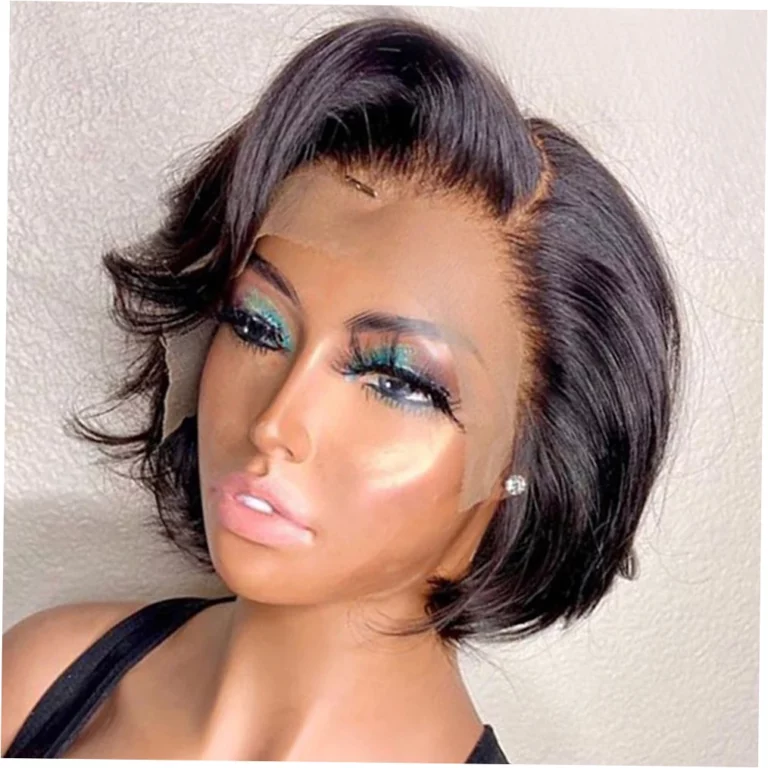
On a fifteen-inch bob, a half-inch mismatch in wave pattern is invisible in photos and glaring in daylight. Match the curl family first — straight with straight, body wave with loose wave, kinky curly with kinky curly — then choose raw or virgin. A perfectly sourced raw bundle in the wrong texture still looks like a wig sitting slightly off your scalp.
Short cuts expose the leave-out, so your natural edges have to blend with the bundle, not the other way around. If your hair is fine and straight, a coarse raw bundle will read as heavier no matter how well you pluck the part.
How Many Bundles A Short Cut Needs
Most short styles need two bundles, three if you want density at the crown. A chin-length bob usually takes 12 to 14 inches; a shoulder-grazing style takes 16. Buying 20-inch bundles and cutting them down wastes money and thins the ends. Length math matters more with raw hair because a donor’s taper is honest — you cannot fake density you never bought.
Closures change the math. A pixie or a deep side part usually wants a closure plus two bundles, while a full sew-in bob can manage with three bundles and a leave-out. Order one bundle first if the texture is unfamiliar.
| Style | Bundles | Length | Best fit |
|---|---|---|---|
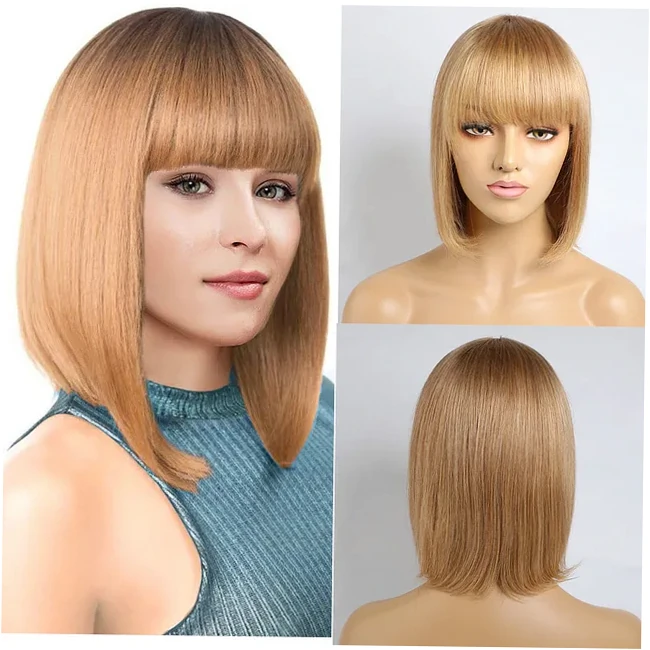
| Pixie with closure | 2 plus closure | 10 to 12 inches | Virgin, for softness near the face |
| Chin-length bob | 2 to 3 | 12 inches | Either, texture match first |
| Shoulder lob | 3 | 14 to 16 inches | Raw, for longer wear |
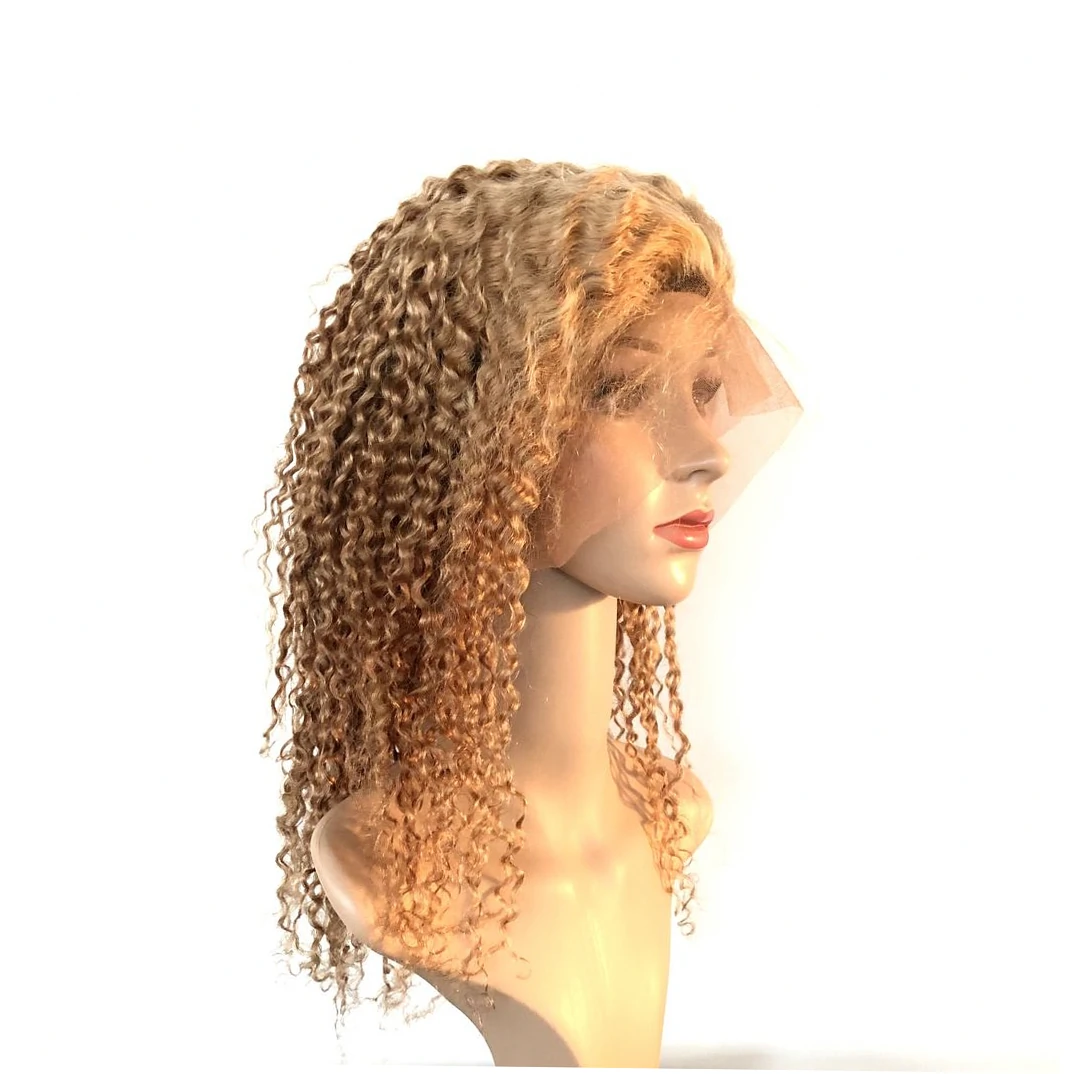
| Curly round cut | 2 to 3 | 14 inches | Raw in a matching curl pattern |
| Half-up with leave-out | 2 | 14 inches | Either, leave-out must match |
Heat, Color And Realistic Limits
Both hair types take heat, but raw lifts to a lighter blonde with less damage in my experience; virgin that has already been acid-washed tends to process unevenly. Neither should be bleached twice. If you color, budget one professional session and accept warmer undertones, because both remain human hair with residual pigment. Expect some texture change regardless of label.
Where Raw And Virgin Buyers Get Burned
The Raw Label Trap
The single biggest risk is mislabeling. Processing plants buy mixed hair, strip the cuticle and sell it as raw to anyone who does not ask. Price is a clue, not proof. Ask where the hair was collected, request a video of the bundle before sewing, and check whether the vendor sells the same raw texture in eight colors — real single-donor hair never does.
I have watched buyers pay a custom-hair premium, wait three months, and open a box of hair that was indistinguishable from the standard bundles on the same site. Complaints rarely end in a refund, which is why the vetting happens before payment, not after.
Care Errors That Shorten Any Bundle
Sulfate shampoo, rough towel drying and sleeping on cotton will age raw hair faster than any manufacturing flaw. I wash every three or four wears with a sulfate-free cleanser, condition mid-shaft to ends, and seal with a light oil while damp. A consistent washing raw hair bundles routine matters more than the price tag you paid at checkout.
Short hair rubs on collars, pillowcases and headphones, so friction damage accumulates quickly. Braid or pin it at night, use a satin scarf, and detangle from the ends upward with a wide-tooth comb, never from the weft down.
Red Flags Worth Walking Past
Walk away from bundles with no return window, no close-up texture photos in daylight, and reviews that only mention shipping speed. A vendor who cannot tell you the donor region, the weft type, or how the hair was shaped into a wave is guessing. Honest sellers volunteer limitations — they will admit a batch is coarser or that a color lifts warm.
| Risk | Warning sign | Verification step |
|---|---|---|
| Cuticle-stripped hair sold as raw | Shedding within weeks, sharp chemical smell | Ask for an unedited video and a strand burn test |
| Pooled hair sold as single donor | Uneven wave pattern, matting at the nape | Request a close-up of the weft and bundle top |
| Silicone-coated soft virgin | Beautiful for three washes, dull afterwards | Wash a small section before installing |
| Texture that clashes with your hair | Sits off the scalp, stiff ends | Buy one bundle or a swatch first |
| Factory pre-lightened hair | Frizzy when wet, no elasticity | Ask directly whether the bundle was pre-bleached |
How To Vet Bundles Before Paying
Ask Three Questions First
Ask where the hair was collected, whether the bundle is single-donor, and how it was shaped into a wave. Vague or defensive answers are information. I also ask for the return policy in writing, because raw hair sold online at wholesale prices is frequently a relabeled product, and a written policy is the only leverage you keep after delivery.
Test It The Day It Arrives
Unpack, photograph the weft, and run your fingers root to tip in both directions. If the bundle resists going upward, cuticles are misaligned and it will mat. Smell it — a sharp chemical odor means processing. Then wash one small section and air dry before you cut, sew or glue anything, since returns usually end the moment you alter the bundle.
Lock In One Care Routine
Pick a wash schedule, a sulfate-free cleanser and a sealing oil, then stop experimenting. Consistency separates a bundle that lasts two years from one that dies in eight months. Keep the original packaging and the vendor’s contact, note the batch in your phone, and reorder from the same batch when you find one that behaves.
If you are still weighing options for a shorter silhouette, revisit the short-hair guide, compare two donor bundles side by side, and buy the texture you can blend — not the one with the loudest label.
Frequently Asked Questions About Raw vs Virgin Bundles
Is raw hair always better than virgin hair bundles?
No. Raw has the durability edge because cuticles stay aligned and no chemicals touch the strand, but poor sourcing can make a so-called raw bundle worse than an honest virgin one. Virgin wins on initial softness and uniformity. Buy the better-sourced bundle, not the louder claim.
How can I tell whether raw hair is actually raw?
Look for aligned cuticles, a natural taper at the ends, one consistent wave pattern, and no chemical smell. Ask for the donor region and an unedited video. If the same texture is sold in ten colors or the price is suspiciously low, treat the label as marketing and test before installing.
Do virgin hair bundles shed more than raw ones?
Often, yes — especially when hair from multiple donors is pooled and lightly processed. Shedding itself is normal at the weft; what matters is whether strands come out in clumps. Seal your wefts, wash gently, and expect a modest amount of loss from either type during detangling.
Can I bleach raw hair bundles for a short bob?
You can, but do it once and professionally. Raw hair generally lifts more evenly than acid-washed virgin hair, yet both lose elasticity above a light honey blonde. Expect the wave pattern to loosen and plan a trim afterward, because short cuts show damaged ends immediately.
How long do raw bundles really last with regular washing?
With sulfate-free washing every three or four wears, air drying and nightly protection, most people get eighteen months to three years. Heavy heat styling, daily washing and cotton pillowcases cut that roughly in half. Longevity depends more on handling than on the original price.
Are raw bundles worth the extra cost for short hairstyles?
For a chin bob or pixie you are buying two or three bundles, so the premium is smaller than for a waist-length install. If you reinstall twice a year and want reusable hair, raw usually pays for itself. If you change styles constantly, quality virgin hair is the smarter spend.